
Rumors have been swirling online lately, that the Internal Revenue Service (IRS) is about to issue a new round of $1,390 relief deposits in 2025 automatically sent via direct deposit or paper check to low‑ and moderate‑income Americans, seniors, benefit recipients, and working families. The buzz includes a detailed “payment schedule,” promises of tax‑free delivery, and warnings to update bank or mailing details. It sounds hopeful, especially with living costs continuing to soar. But the real story? It’s largely wishful thinking.
Table of Contents
Why the $1,390 “Payment Plan” Looks Like a Replay of Old Promises
Many of the posts sharing these claims borrow language from earlier stimulus efforts like the pandemic‑era checks and present them as though they’re fresh. There is talk of multiple “waves” of deposits: early 2025 eligibility reviews, direct deposit batches in March–April, mailed checks later, and even reissues for “missing payments.” It’s easy to see how this could seem convincing. The problem is, none of that lines up with what the IRS or government has publicly confirmed.
As of now, the IRS lists no active stimulus or relief‑deposit program for 2025. A recent fact‑check explicitly calls the $1,390 (and even $2,000) deposit rumors “false and unverified.” The reason is simple: issuing such payments requires formal legislation a law passed by Congress and signed by the President. No such legislation has been enacted.
What We DO Know, What Really Happened (and Isn’t Happening)
Believe it or not, the most recent official IRS relief activity related to the longstanding pandemic-era credits. Some eligible taxpayers those who never claimed their pandemic-era “Economic Impact Payments” or related credits received automatic payments as a final window from late 2024 into early 2025. But that was a wrap‑up of past relief efforts, not the start of a new stimulus wave. Importantly, in 2025 the IRS also announced a policy to begin phasing out paper refund checks so most refunds or payments will go to direct deposit, if you provided bank details on your tax return.
Why the Rumors Spread and What Makes Them Appealing
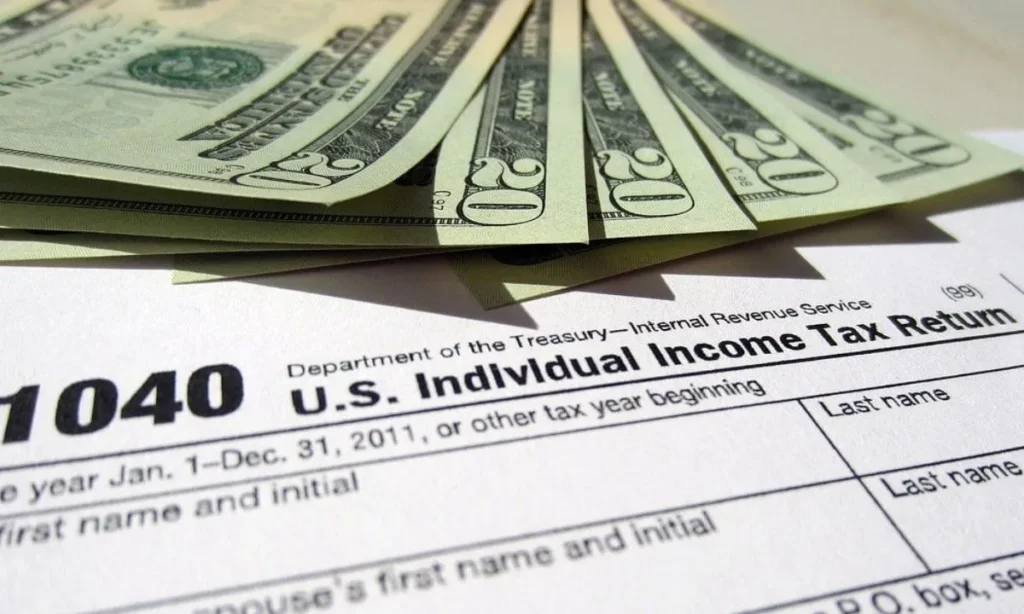
These rumors stick for a few reasons. First, people remember how big and helpful the earlier stimulus payments were. The idea of another wave of “free money” feels attractive especially with inflation, housing costs, and everyday expenses climbing. Social media amplifies that hope, often without verifying facts. Meanwhile, some political proposals (like a “tariff dividend” discussed by lawmakers) get misinterpreted or repackaged as guaranteed checks creating confusion between what’s proposed and what’s real. Too often, that confusion is exploited by scamsters. Fake IRS‑looking emails or websites ask people to “update direct deposit info” or “sign up” for upcoming relief always a red flag.
What You Should Do, If You Hear About “New Relief Payments”
If you see headlines or social posts about a $1,390 (or $2,000) IRS deposit slow down. First, check official sources the IRS website and credible news organizations before believing or acting. If it’s real, it’ll be announced formally. If you get unsolicited messages urging you to submit bank account or Social Security details, treat them as suspicious. Rely on IRS official channels (like “Where’s My Refund?” or your online account) for information. If you truly believe you may have missed a legitimate payment for example from earlier pandemic-era credits then it makes sense to log into your IRS account or review prior-year tax filings. Other than that, there is no credible program matching the viral $1,390 claims.
Rumor vs Reality Table
| Claim (What rumor says) | Reality |
|---|---|
| $1,390 IRS relief deposit scheduled for 2025 | No active program exists |
| Automatic for low/middle-income, seniors, benefits recipients | No official eligibility criteria or plan |
| Multiple payment waves (March–May), direct deposit + paper check | No official schedule exists |
| Not taxable and doesn’t affect other benefits | Unverified, irrelevant unless payment is real |
| Need to “apply” or “update bank info” | Likely scam; IRS does not request this |
FAQs (Frequently Asked Questions)
Q: Has Congress approved a new $1,390 IRS payment for 2025?
A: No. There is no law authorizing any new $1,390 (or similar) federal stimulus or relief payment.
Q: Could the IRS still send out a surprise payment later this year or next?
A: It’s theoretically possible if Congress passes new legislation, but currently no bill has been signed, and no official IRS announcement indicates any planned deposit.
Q: I found a site asking me to “sign up” or “update direct deposit info” for $1,390. Should I trust it?
A: No. The IRS does not send unsolicited requests for such updates. Legitimate refunds or credits come using your existing tax‑return data. Such sites are likely phishing attempts.
Q: I heard about a $2,000 “tariff dividend” check proposed by political leaders. Is that real relief?
A: That is a proposal, not a law. Even if approved someday, it would follow a legislative process and not arrive as automatic checks.
Q: Can I still get any refund or credit from the IRS in 2025?
A: Yes, but only through normal tax refunds, credits, or past‑due payments (for example, leftover credits from COVID‑era stimulus). There is no new broadly‑distributed “relief check.”


