
Cook County has officially cemented its status as a national leader in social support by becoming the first local government to transition a temporary guaranteed income pilot into a permanent public policy. Following the resounding success of the experimental phase, the County Board has secured the necessary millions in the new budget to ensure this financial lifeline becomes a lasting reality for residents.
This groundbreaking decision shifts the focus from temporary emergency relief to long term economic stability for working families. By locking in a permanent budget for unconditional cash payments, county leaders are acknowledging that consistent support is often more effective than one time aid. This move offers a fresh wave of hope to thousands of households who find themselves balancing tight budgets despite working full time jobs.
Table of Contents
Permanent Status Confirmed in New Budget
The journey began with the Promise Guaranteed Income Pilot which launched using federal pandemic relief funds. That initiative provided thousands of households with regular monthly payments for two years. The results were undeniable as participants used the money to stabilize their housing, keep food on the table, and avoid predatory debt cycles.
Recognizing these positive outcomes, the Cook County Board voted to include guaranteed income in the annual budget for the 2026 fiscal year. This means the program is no longer dependent on fleeting federal grants. Instead, it is now a standard line item funded directly by county revenue, ensuring it remains a durable part of the local safety net for years to come.
Who Will Qualify for the New Funds
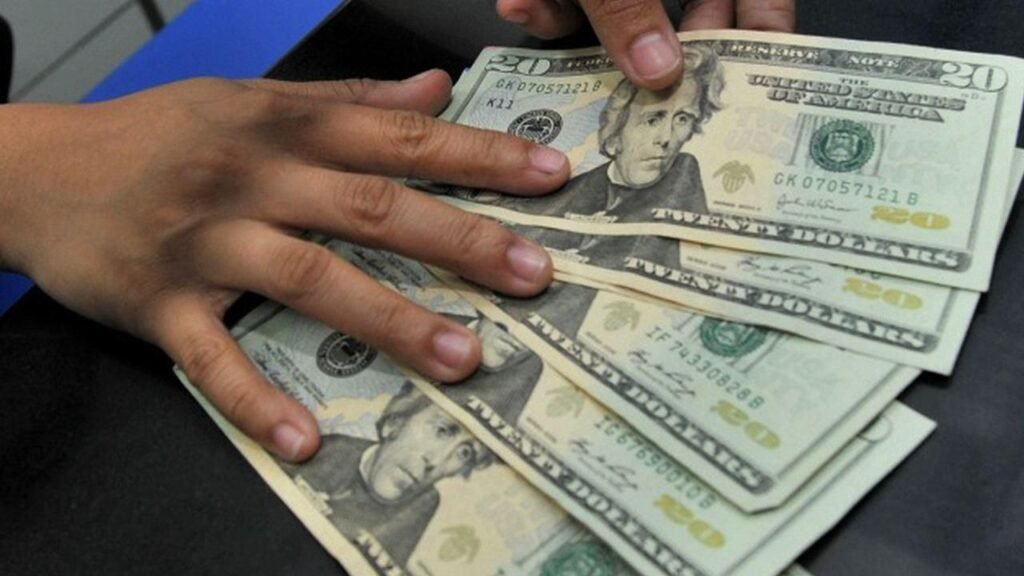
While the permanent program is set to launch under the newly approved budget, eligibility rules are expected to mirror the successful criteria of the pilot phase. The primary focus remains on adult residents who are struggling to make ends meet despite living above the traditional poverty line but below the real cost of living.
To qualify, applicants generally must be at least 18 years old and a current resident of Cook County. The program specifically targets households earning at or below a specific percentage of the federal poverty level. This threshold is intentionally set higher than programs like SNAP to catch the working class residents who often earn too much for government aid but not enough to survive current inflation rates.
Application Timeline and Next Steps
Unlike the pilot which had a set start and end date, this permanent version requires a new administrative setup. County officials are currently in the design phase to finalize how the application portal will work and how recipients will be selected.
Because the budget was just approved in late 2025, the application window is not expected to open immediately. Residents should anticipate a launch later in 2026 once the framework is complete. As with the pilot, demand is expected to exceed the number of available slots, so a fair lottery system will likely be utilized to select the final recipients.
Financial Freedom and Dignity for Residents
A core philosophy of this program is that families know best what they need. There are no restrictions on how the monthly payments can be spent. Data from the previous phase showed that recipients did not waste the money but rather prioritized essential bills like rent, groceries, and transportation.
This unconditional approach restores dignity to the safety net, treating recipients as responsible adults capable of managing their own finances without government micromanagement. It provides a cushion that allows parents to buy school supplies, fix a broken car to get to work, or simply pay a utility bill on time without panic.
Impact on the Local Economy
The benefits of this program extend beyond the individual households receiving checks. When families have extra cash, they spend it at local grocery stores, gas stations, and service providers. This creates a multiplier effect that boosts the broader local economy and supports small businesses.
Furthermore, the program has been shown to improve mental health and reduce stress. Participants in the pilot reported being able to work better and be more present parents because they were not constantly worried about keeping the lights on or paying for a sudden emergency expense.
Key Program Features at a Glance
- Residency must be legally within Cook County limits
- Applicants must be at least 18 years of age
- Household income must fall below specific poverty caps
- Selection will likely use a randomized lottery system
- County elected officials are not eligible to apply
- Participants cannot be enrolled in other guaranteed income pilots
Estimated Income Limits for Eligibility
The table below outlines the estimated income thresholds based on the standards used in the successful pilot. If your household earns less than the amount shown for your family size, you would likely be eligible to apply once the portal opens.
| Household Size | Estimated Max Annual Income |
| 1 Person | $39,125 |
| 2 People | $52,875 |
| 3 People | $66,625 |
| 4 People | $80,375 |
| 5 People | $94,125 |
| 6 People | $107,875 |
Frequently Asked Questions
1. Is the application for the permanent program open right now?
No, the application window for the permanent 2026 program has not opened yet. The county is currently finalizing the administrative details following the recent budget approval and will announce dates in the near future.
2. Will this money affect my other benefits like SNAP?
It depends on the specific benefit. Cook County works to secure waivers so these payments do not count as income for certain state programs, but you should always check with a caseworker to see how extra cash might impact your specific situation.
3. Is this program funded by my property taxes?
The permanent program is funded through the general county budget which is derived from various revenue sources including sales tax and other local fees. It is no longer reliant on temporary federal stimulus money.
4. Can I apply if I am an undocumented resident?
During the pilot phase, the program was open to residents regardless of their immigration status. It is expected that the permanent program will maintain this inclusive policy to support all vulnerable community members.
5. How will I receive the monthly payments?
Selected participants typically receive their funds via a direct bank deposit or a reloadable prepaid debit card. This ensures that even residents without traditional bank accounts can access their money easily and without fees.


